

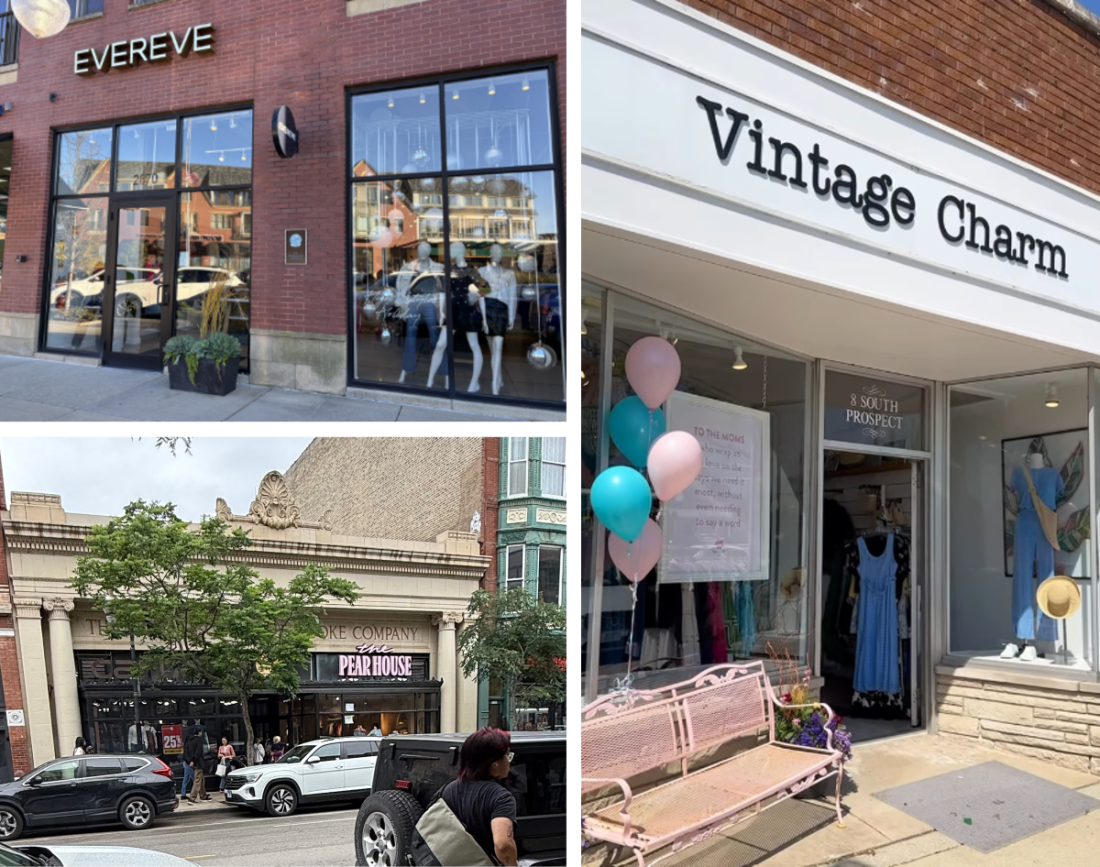
Curation, Confidence, and Connection: The Boutique Advantage in Women’s Apparel
Women’s apparel and accessories are showing renewed strength in an otherwise uneven retail environment. As consumers rebuild wardrobes, rethink personal style, and seek more confidence in what they buy, specialty multi-brand boutiques are emerging as one of retail’s most compelling growth stories.
For retailers, brands, consultants, and retail technologists, the boutique opportunity offers a broader lesson: the future of apparel is not just about more product. It is about curation, connection, personalization, and helping shoppers feel understood.
After several years of uneven and often sluggish performance, women’s apparel and accessories categories are emerging as a retail bright spot, with market forecasts pointing to steady mid‑single‑digit growth. Consumers are spending, but they are becoming more intentional about where and why they spend. This shift creates an important opening for one of retail’s most overlooked and undervalued segments: the specialty multi-brand boutique. These businesses are well positioned for a shopper who wants more than a transaction. She wants fit, quality, personal style, trusted guidance, and a reason to feel confident in the purchase.
The GLP-1 Wardrobe Reset
One of the most important new demand drivers in women’s apparel is the rapid growth of GLP-1 medications. These drugs have become a mainstream lifestyle force with meaningful implications for retail.
Today, about 15% of women in the U.S. are using these medications. Circana data reported in March 2026 found that 80% of GLP-1 users expect to need new apparel because their size is changing, and 55% have already purchased new clothes or footwear primarily for that reason.
The impact is not simply about smaller sizes. For many women, weight loss creates a practical need for replacement clothing, but it also creates a more emotional shopping mission: Who am I now, and how do I want to show up? That is very different from buying another basic tee or replacing a worn pair of jeans. It is a styling challenge, a confidence challenge, and a wardrobe-building challenge. That is exactly where specialty boutiques can excel.
Shoppers Want Quality, Uniqueness, and a Point of View
The renewed interest in apparel is not simply a return to buying more. In many cases, shoppers are looking to buy better. After years of overexposure to disposable fast fashion, many consumers are becoming more discerning. They want clothes that fit well, last longer, feel good, and justify their place in the closet. This does not mean every shopper is moving into luxury. It means the definition of value for these shoppers is changing. Value is beyond price. It is about the right piece, the right fit, the right quality, and the confidence that it will actually be worn.
Recent sales declines at H&M compared to growth at Gap and Aritzia reflect this broader shift. Consumers are responding to retailers that offer stronger product relevance, clearer brand positioning, and a better balance of style, quality, and value. They also want fashion that reflects individual style. Shoppers are tired of sameness: the same brands, the same algorithms, the same looks repeated across social feeds.
The best boutiques create a point of view. They give customers access to brands, silhouettes, colors, accessories, and styling ideas that feel more personal and less overdistributed. They interpret trends without forcing customers into trend uniforms. That is a powerful opening for specialty multi-brand boutiques. They can help women participate in fashion in a way that feels age-appropriate, lifestyle-appropriate, flattering, and authentic.
The Store as a Place to Solve Problems
The store experience is becoming more important, not less. But the role of the store is changing. For many apparel shoppers, the store is no longer just a place to transact. It is a place to solve problems. Customers want retailers that can spend time with them, understand their needs, and provide real solutions. They want help interpreting trends. They want honest feedback. They want styling guidance. They want a trusted source that understands their body, lifestyle, budget, and aspirations and ideally, that source is local.
This is where specialty boutiques have an advantage over many larger retailers. Their teams are often deeply embedded in the communities they serve. They know the school fundraisers, charity lunches, vacations, work-from-home lifestyles, weddings, weekend plans, and climate realities that shape their customers’ lives. That local understanding becomes part of the value proposition. The best boutiques are not just selling apparel. They are building relationships. They become the go-to destination for a dress before an event, denim that actually fits, the right jacket for travel, or the accessory that makes an outfit feel finished. Below are a few examples of retailers that are well positioned to win in this environment:
The Pear House: Curation, Sustainability, and Design
The Pear House, based in Chicago, recently opened its first store with a focus on a curated assortment of unique, sustainably focused brands. The store is beautifully designed, staffed by an engaging team, and aimed at a shopper who is seeking quality and uniqueness and who is willing to spend at a higher price point when the product and experience justify it.
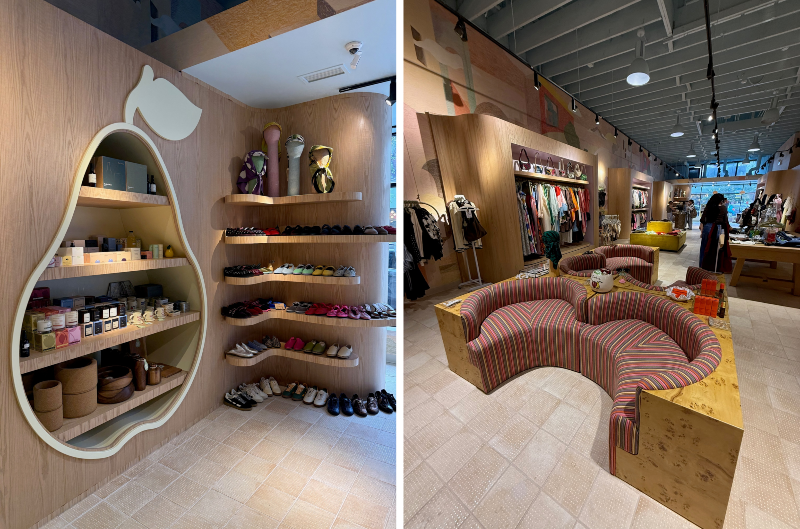
Image Source: McMillanDoolittle
What makes The Pear House interesting is that it reflects where the market is going. The customer is looking for discovery, but not chaos. She wants sustainability, but not sacrifice. She wants fashion that feels special, but not intimidating. She wants a store that feels inspiring and human. That combination: thoughtful product, elevated environment, personal service, and local relevance, is exactly what many larger apparel retailers struggle to deliver consistently.
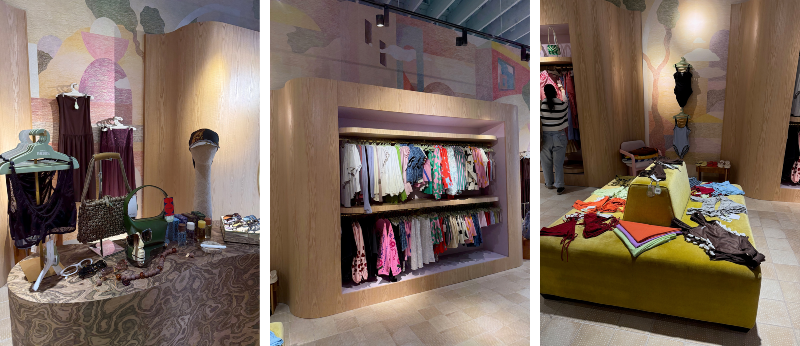
Image Source: McMillanDoolittle
Vintage Charm: Scaling the Local Boutique Model
Vintage Charm shows that the boutique model does not have to remain a single-store business. The Chicago-area chain has expanded to nine locations in Illinois, Indiana, and Michigan, offering what it describes as a “curated collection of on-trend and affordable women’s clothing and accessories. Its growth demonstrates that boutique retail can scale when the concept has a clear customer, a relevant price point, and a strong community connection.
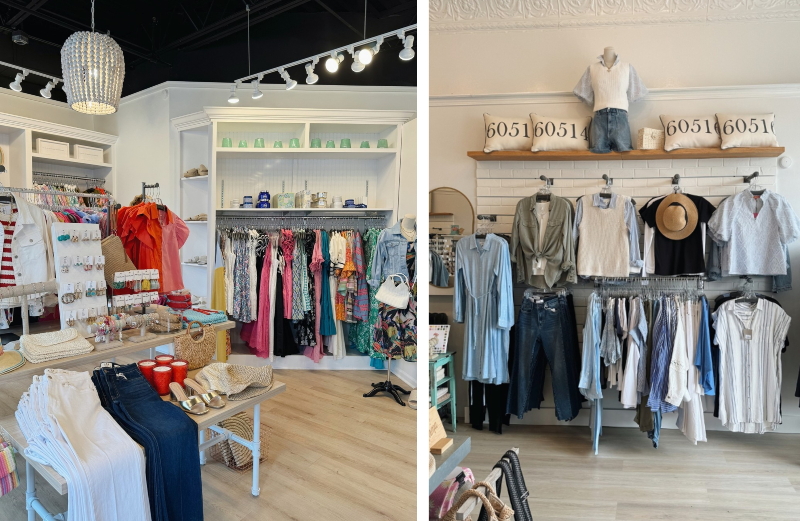
Image Source: Vintage Charm
Vintage Charm’s stores feel local because the product and teams are embedded in the communities they serve. The assortment is approachable, current, and wearable. The experience is friendly rather than intimidating. This is a different kind of scale from national chain retail. It is not about creating identical stores that could be anywhere. It is about building a repeatable boutique model that can flex to local communities while maintaining a consistent brand promise. That is a powerful growth formula: curated product, community relevance, approachable pricing, and store teams that understand what their customers actually want.

Image Source: Vintage Charm
Evereve: The Boutique Experience at National Scale
Evereve provides a more scaled example of the same opportunity. Founded in 2004 by Megan and Mike Tamte, the company has grown from a single store in Edina, Minnesota, into a national women’s apparel retailer with over 115 stores, a significant e-commerce business, and a subscription-based styling offering.
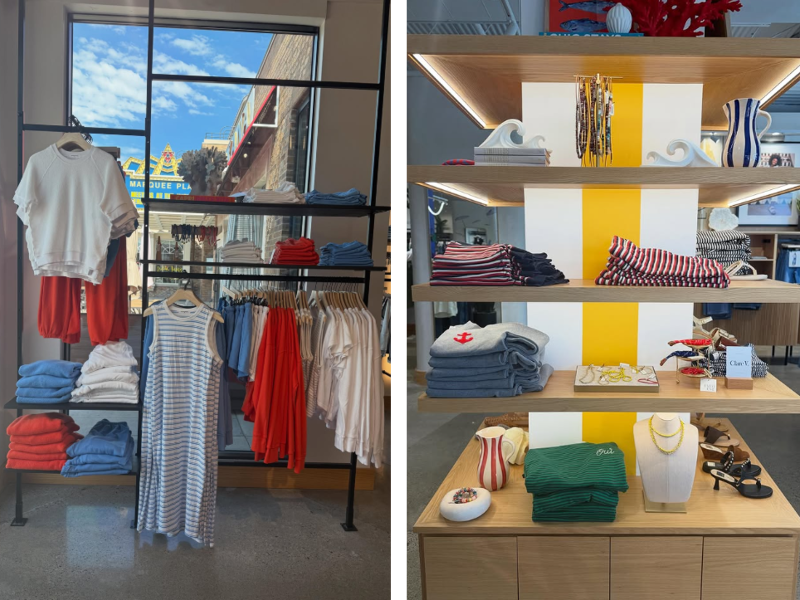
Image Source: Evereve
Evereve’s positioning captures the heart of the opportunity. The company tells customers that through its curated assortment from 150+ brands, it brings “a little edge mixed into the everyday” and helps outfit women for every area of their busy lives. That is a concise expression of what many women want from apparel retail today.
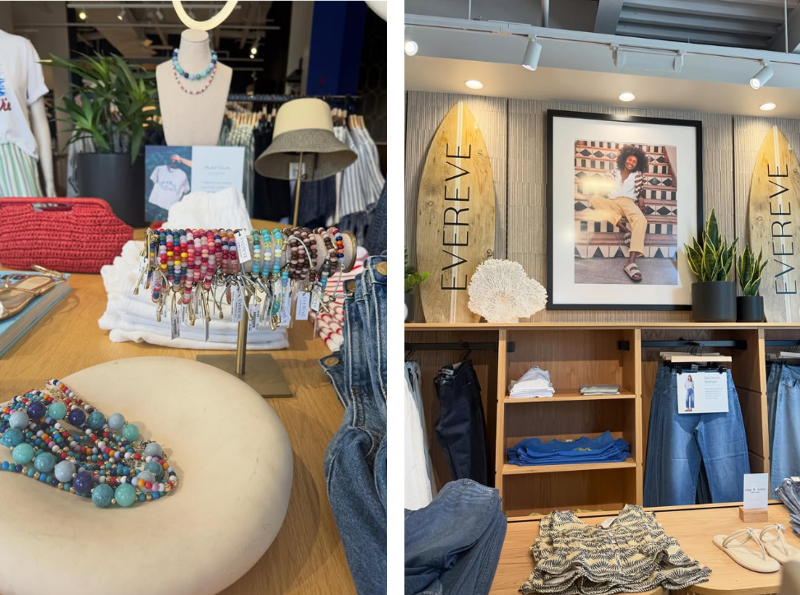
Image Source: Evereve
They do not just want product. They want someone to help them make sense of product. They want trends translated into real life. They want to know what goes with what. They want to feel current without feeling costumed. Evereve has effectively scaled the boutique promise: curation, styling, relevance, and personal connection. Its success suggests that the opportunity is not limited to small independents. The boutique experience can become a platform when supported by strong systems, data, store training, digital content, and consistent execution.
Why Specialty Boutiques Are Positioned to Win
The current women’s apparel opportunity is not just about category growth. It is about a change in customer need. Women are rebuilding wardrobes because their bodies, lifestyles, and identities are changing. They are more selective. They are more aware of quality. They are more interested in individuality. They are more open to spending when they feel understood. And they are looking for trusted sources that can help them navigate an overwhelming market.
Specialty boutiques are positioned to win because they are built around the capabilities this moment requires. They curate instead of over-assorting. They provide service instead of self-navigation. They build trust instead of relying only on traffic. They interpret trends instead of simply displaying them. They connect locally while using social media to reach beyond their trade area. They make shopping feel personal, social, and enjoyable again.
In a retail environment where so much shopping has become efficient but impersonal, boutiques offer something different: human judgment, emotional connection, and a sense of discovery.
The Bigger Retail Lesson
The rise of specialty boutiques is a signal that should be recognized by all retailers: Consumers still care about stores when stores give them something they cannot easily get online. They still care about service when service solves a real problem. They still care about fashion when fashion feels personal. And they still value local retailers when those retailers combine community connection with professional retail execution.
Women’s apparel and accessories may be a bright spot in the current market, but the winners will not simply be the retailers with the most product. The winners will be the retailers that help women feel confident, current, and understood.
That is why specialty boutique retailers — from emerging concepts like The Pear House, to regional operators like Vintage Charm, to scaled models like Evereve — deserve more attention.
They are not just selling clothes. They are helping women rebuild style, confidence, and connection at a moment when many are ready for something new.
How McMillanDoolittle Can Help
For retailers and brands, the boutique opportunity raises important strategic questions: How should assortments evolve as shoppers become more intentional? What role should stores play in a more personalized apparel journey? How can service, styling, localization, and digital content work together to create stronger customer relationships?
McMillanDoolittle helps retailers, brands, and retail technology companies answer these questions through strategy, concept development, customer experience design, merchandising insight, and growth planning. As specialty boutiques demonstrate, the next wave of apparel retail will belong to those who combine product relevance with human connection — and execute that promise consistently across every touchpoint.

No Comments