

McMillanDoolittle POV – What Categories and Brands Will Trend in 2023
As always, our team is here to help you understand the leading trends shaping retail, breakout brands across categories, and white space opportunities to catalyze your company’s growth. With 2022 coming to a close, we are taking a break from our typical content to highlight 12 trending product categories – and standout brands hand-picked by our McMillanDoolittle staff that are worth watching in 2023. See a roundup of our team’s favorite brands to watch (and shop) across 12 buzzing categories below.
1. Cool Comfort Footwear
Hoka, Lululemon, Crocs, and On made tremendous waves in the footwear industry in 2022, and many of these brands have exciting new lines or partnerships coming for 2023. The Hoka Clifton 8 is our favorite pair for walking and running – they might even help inspire more trips to the gym in the New Year.
2. Hot Food Experience Brands
For our fellow local Chicagoans, we highlight Dom’s Kitchen & Market – one of the best retail experiences Chicago has to offer. The brand opened their second store in the Old Town neighborhood this year. The store is a foodie’s paradise, offering globally inspired, locally sourced groceries and prepared foods, complete with a lively café and bar (check out our photo and video tour here). Joseph’s Classic Market in Florida offers a similar, memorable grocery retail experience.
View this post on Instagram
3. Next Gen Wearables
Wearables from brands Lumen, WHOOP, ŌURA and Oculus made excellent gifts for fitness lovers and gamers alike this holiday season.
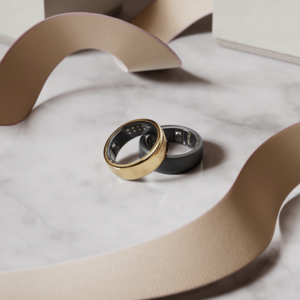
Photo Credit: ŌURA
4. Trending Treats
Have you tried the $17 “Hailey Bieber Smoothie” from LA-based luxury supermarket Erewhon? Or what about the Fly by Jing Sichuan Chili Crisp that Gen Z and Millennial favored convenience store Foxtrot carries? These fun products are among the many trending food items that we just had to test this year. Round out the festive season by adding edible glitter to your cocktails from Fancy Sprinkles and indulge with vegan, gluten-free morsels from Deux.
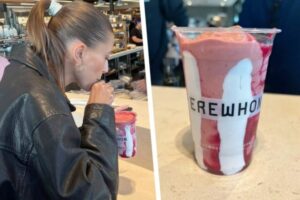
Photo Credit: Brightly
5. Luxury for Less
Looking for high-quality clothing and accessories sold at a more affordable price point? Brands Quince and Few Moda will deliver.
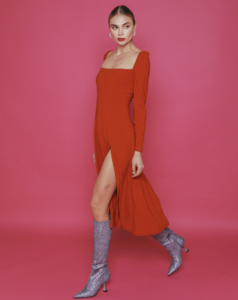
Photo Credit: Few Moda
6. Science-Backed Skincare
As self-care continued to trend in 2022, we took notice of skincare brands Youth to the People, Good Science Beauty, Augustinus Bader, and TULA. These companies focus on communicating the science behind the ingredients they use.

Photo Credit: Good Science Beauty Instagram
7. Top Learning Toys
Fat Brain Toys, Magna-Tiles, Ann Williams by PlayMonster, and Abacus Brands offer educational toys that don’t sacrifice fun. They have great gifts for kids of all ages!
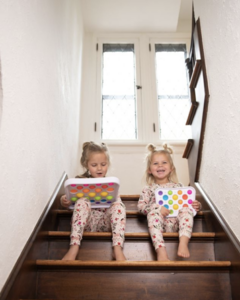
Photo Credit: Fat Brain Toys
8. Retailers Featuring BIPOC-Owned Brands
Target, Ulta, Nordstrom, and Walmart featured a variety of BIPOC-owned brands this year. Some of our favorites include skincare brand Hero Cosmetics (try their AHA Brave Body Mineral Melt!), Elaluz by influencer Camila Coelho, Fear of God Essentials, and Kindred Paper Co. (they have the cutest greeting cards).

Screenshot: Target.com
9. Fashion Moves Forward
Brands Off-White, KidSuper, Aimé Leon Dore, and SKIMS are making waves in the fashion industry. SKIMS stands for its focus on inclusivity in the sizes and fabric shades offered.
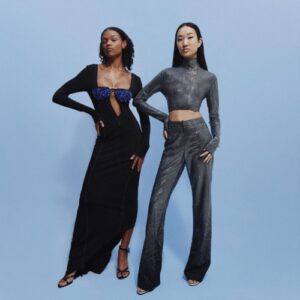
Photo Credit: Off-White
10. Beyond B Corporation
Hobby Lobby, Patagonia, and Ben & Jerry’s have embedded activism into the core values of their company and have committed to make lasting, positive contributions to communities and the environment. We covered Patagonia’s groundbreaking development earlier this year – founder Yvon Chouinard’s transfer of full company ownership to a trust and non-profit organization (read on here).

Photo Credit: Patagonia
11. Men’s Self Care
Baxter of California, hims, and Lumin are a few of the brands trending in Men’s grooming. Hims stands out for its focus on the functional benefits of their projects. Their offering can help solve for hair loss, anxiety and depression, erectile disfunction, and more.
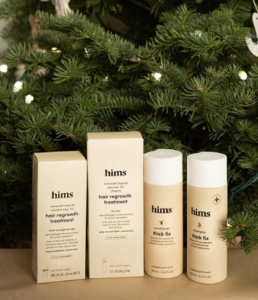
Photo Credit: hims
12. Lose the Booze
Many non-alcoholic beverage brands are ripe for growth in 2023 due to the rise of the mocktail. We will be prepping for ‘dry January’ with Lyre’s, Boisson, Kine Euphorics, and Ghia.
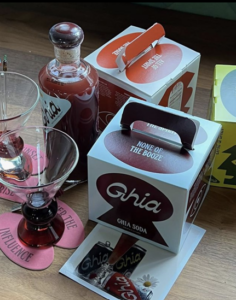
Photo Credit: Ghia
To see our full list of ‘Brands to Watch’ in 2023, check out the highlight we created on our Instagram profile. To learn more about the variety of services we offer, ranging from strategic planning to digital transformation, consumer insights and more, contact us. If you’re interested in staying up to date on our latest retail insights, follow us on LinkedIn.
Note: McMillanDoolittle is not collecting any commissions from the links provided above.

Richard Jordan
June 9, 2026 at 11:52 amThe Essentials Hoodie: Why Fear of God Built a Brand on One Piece of Clothing
There are very few garments in contemporary fashion that can be said to define a brand entirely. The Essentials hoodie is one of them. From the moment Fear of God Essentials launched its sub-label, the heavyweight fleece pullover with the tonal bar logo became the piece everything else was measured against. Other categories followed — the Essentials tracksuit, the Essentials sweatpants, the Essentials shorts — but every one of them was evaluated against the standard the hoodie set. This article explores why that happened and what it tells us about where streetwear is going.
The Construction Case for the Essentials Hoodie
The Fear of God Essentials hoodie earns its position through construction quality that is genuinely difficult to argue with at its price point. The starting point is fabric weight. The heavyweight cotton-blend fleece used in every Essentials hoodie is noticeably denser than the standard casualwear fleece used by comparable brands — you feel the difference immediately when you pick the piece up. It is not just heavier; it is more stable, more structured, and more resistant to the thinning and pilling that cheaper fleece develops within a season of regular wear.
The brushed interior is the second construction detail worth understanding. The brushing process raises the surface fibres on the inside of the fabric, creating a lofted, soft texture that holds warmth efficiently and feels premium against the skin from the first wear. This is not a material shortcut — it adds production complexity and cost. The result is a hoodie that feels noticeably softer inside than its exterior weight suggests.
The third construction detail is the seam finishing. The internal seams on the Essentials hoodie are cleanly finished — no loose threads, no raw edges, no shortcuts at the underarm or hem. Combined with ribbed cuffs and hem that maintain their structure through repeated washing cycles, the construction case is straightforward: this is a hoodie built to last, and the longevity of the piece is the foundation of the brand’s value proposition.
Why Restraint Became the Brand’s Strongest Quality
In a market where streetwear brands compete aggressively on the size, visibility, and frequency of their branding, Fear of God Essentials made the opposite choice. The tonal rubberised bar logo on the Essentials hoodie matches the fabric in colour — visible at close range, invisible from a distance. The brand name is present but never announces itself. This restraint was not a compromise or an aesthetic afterthought; it was a deliberate positioning decision that has proven to be the brand’s most durable competitive advantage.
The reason restraint works is that it removes the brand from trend cycles. A hoodie with large, season-specific branding looks current for one or two years and then reads as dated — a relic of the moment it was produced. The Essentials hoodie with its minimal tonal logo looks the same in year three as it did in year one. Buyers who purchase it today are not buying a moment; they are buying a piece of clothing that will remain wearable indefinitely.
The second reason restraint is a strength is broader styling compatibility. Because the Essentials hoodie does not demand attention, it works alongside any other garment in a wardrobe — from denim to tailored trousers to matching Essentials sweatpants. It occupies the same space in a wardrobe that a great white shirt does: foundational, versatile, and never the problem piece in an outfit. Restraint was not the safe choice — it was the correct one.
The Colorway Philosophy — Warm Neutrals Over Bold Statements
Fear of God Essentials does not compete on colour boldness. The brand’s palette is built around a specific register of warm neutrals that sits distinct from the standard grey-and-black casual palette most streetwear brands default to. Oatmeal, dark heather oatmeal, light heather oatmeal, cloud dance, sandrift, calm shell, pavlova — these are not simply beige variations. Each has a distinct warmth, texture, and tonal character that the brand has developed deliberately across seasons.
The philosophy behind this palette is practical as much as aesthetic. Warm neutrals coexist naturally with each other, which means every piece in the Essentials hoodie collection can be worn with every other piece in the range without clashing. A dark heather oatmeal hoodie works with cloud dance sweatpants. A heathered grey hoodie works with black or sandrift. The palette was designed as a system — each colorway is a node in a network of compatible pieces, not a standalone statement.
The seasonal bold colors — garden yellow, hemlock green, coral, dawn, pink — serve a specific function within this philosophy. They are not the foundation of the wardrobe; they are the accent. The neutral core is purchased first and worn most. The seasonal color is added as a rotational piece that provides interest without requiring a rebuild of the outfit foundation. This two-tier colorway strategy is one of the most commercially intelligent decisions in the brand’s design history — it keeps the Essentials hoodie relevant every season without requiring constant reinvention.
How the Hoodie Became the Foundation of a Complete Wardrobe
The Essentials hoodie did not remain a standalone piece. Its success as a foundation garment created the logical demand for every other piece in the collection. Buyers who owned the hoodie in oatmeal wanted matching sweatpants to complete the tonal set — and the Essentials tracksuit followed. Buyers who wanted the same aesthetic for summer reached for matching shorts — and the Essentials shorts collection became one of the brand’s fastest-growing categories. The hoodie did not just build brand loyalty; it built a wardrobe architecture that naturally drew buyers toward additional pieces.
The design coherence across the range is what makes this architecture work. Because every Essentials piece uses the same proportion language — relaxed, dropped-shoulder, slightly longer in the body — the hoodie and the sweatpants and the sweatshirt and the shorts all look like they belong together even when mixed across colorways. This coherence is not accidental. It is the result of applying a single design philosophy consistently across every silhouette in the range.
The practical outcome for buyers is significant. An Essentials hoodie in dark heather oatmeal combined with matching Essentials sweatpants gives a complete outfit with zero additional decisions required. Add an Essentials T-shirt as a base layer and the wardrobe covers three seasons without leaving the brand. This is the wardrobe architecture the hoodie created — and it is the foundation of the brand’s commercial success.
Fear of God Essentials vs the Competition
The Fear of God Essentials hoodie occupies a specific and defensible position in a crowded market. Understanding that position requires placing it accurately against the key alternatives buyers consider.
Against Supreme: Supreme operates on scarcity and cultural cachet — the drop model drives demand through manufactured urgency. The Essentials hoodie is never scarce by design, never drop-only, and never requires a lottery to purchase. The trade-off is that the Essentials hoodie does not carry the resale premium that Supreme pieces generate. The benefit is that buyers who want the piece can buy it without friction — and the construction quality justifies the price independently of brand hype.
Against Represent and comparable premium casualwear: Represent competes in the same price range with a heavier emphasis on tailored proportions and a more fashion-forward seasonal direction. The Essentials hoodie is more minimal, more consistent season-to-season, and more versatile as an everyday garment. Represent rewards buyers who follow fashion closely; Essentials rewards buyers who want a reliable piece they can reach for every day.
Against fast fashion alternatives: H&M, Zara, and comparable brands produce hoodies at a fraction of the Essentials price with lightweight fleece and standard shoulder placement. The construction comparison is not competitive — the Essentials hoodie’s heavyweight fleece, brushed interior, and quality seam finishing are categorically different. The Essentials hoodie is not expensive for a hoodie; it is appropriately priced for the construction quality it delivers.
Why the Essentials Hoodie Keeps Selling Season After Season
The Fear of God Essentials hoodie has maintained its commercial strength across multiple years without a significant design change. This longevity is unusual in a market driven by novelty and seasonal reinvention, and it is worth understanding specifically why it happens.
The first reason is construction quality driving repeat purchase. Buyers who own one Essentials hoodie and experience the fabric quality, the fit consistency, and the durability through regular washing return for additional pieces — in new colorways, in different silhouettes, or as direct replacements for pieces that have been worn extensively. The quality creates loyalty more effectively than any marketing.
The second reason is the neutral palette strategy. Because the core Essentials colorways do not date — oatmeal looks as relevant today as it did four years ago — the hoodie never becomes the piece that marks you as buying at the wrong time. Buyers do not feel pressure to replace last season’s Essentials hoodie because it does not look like last season’s hoodie. This reduces buyer hesitation on new purchases and maintains the resale value of older pieces.
The third reason is the expansion of the range. Each new category — Essentials tracksuit, Essentials shorts, Essentials sweatshirt — brings new buyers into the ecosystem who subsequently purchase the hoodie as the foundational piece. The hoodie sells because the brand sells — and the brand sells because the hoodie built the standard that everything else has lived up to.
Shop the Fear of God Essentials hoodie collection — every colorway, every silhouette — at essentials-clothings.co/collections/essentials-hoodies. Free shipping on all orders over $200. 100% authentic, sourced through verified suppliers.