


The Rise of Pop Mart and the Labubu Craze: Scarcity, Emotion, and the Art of Collectability
Collectible products capture the hearts and minds of consumers. There is always that “hot item” or brand that is a must have – remember Cabbage Patch Dolls, Beanie Babies, Hello Kitty, Pokémon Cards and more recently Stanley Tumblers? In this world of modern retail and consumer obsession, few stories stand out today like that of Pop Mart—a Chinese collectible toy company that turned designer vinyl figures into a global phenomenon. At the heart of its rise is one small but mighty character: Labubu, a mischievous rabbit-like figure who has become the face of a massive cultural and commercial movement. The story of Pop Mart is not just about toys—it’s about the power of storytelling, emotional connection, and strategic scarcity.
A visit to the Pop Mart store in Oak Brook Mall outside of Chicago provides a glimpse into the trend. There was a line to get in and yet no Labubus were available. Instead, customers took photos with the display items and most left with one of the other collectibles. The store is bright and digitally enabled. The staff are focused on stocking and were surprisingly uninformed about the products and characters.
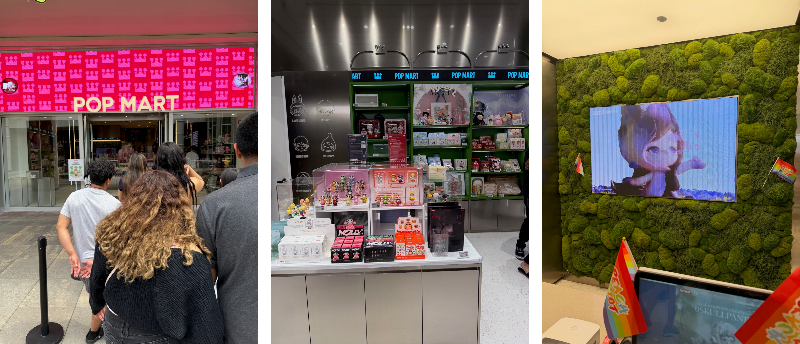
Photo Credit: McMillanDoolittle
Pop Mart was founded in Beijing in 2010 by Wang Ning, initially modeled after Japanese-style lifestyle retailers like Muji or MINISO. The company pivoted into art toys when it began selling blind box figures from local designers, including Kenny Wong’s Molly and, later, Kasing Lung’s Labubu. These palm-sized collectibles, hidden in mystery packaging, struck a chord with young adults who grew up in a consumerist culture but were hungry for nostalgia and uniqueness.
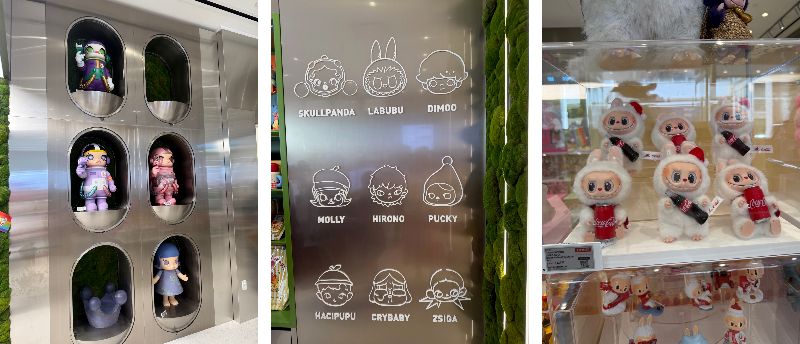
Photo Credit: McMillanDoolittle
In 2020, Pop Mart went public on the Hong Kong Stock Exchange, and its growth has been explosive, fueled by domestic demand and international expansion in markets like Southeast Asia, Europe, and the U.S. In fiscal year 2024, Pop Mart reported a net profit that nearly tripled to 3.125 billion yuan ($430.6 million USD). Total revenue more than doubled to 13.04 billion yuan (1.796 billion USD).
At the center of Pop Mart’s breakout success is Labubu. Unlike cute, typical cartoon figures, Labubu is eerie yet endearing—ugly-cute, with mischievous charm and a strong designer signature. Its uniqueness made it a collectible that consumers wanted to own, flaunt, and discuss. Social media has helped drive this affinity, turning Labubu into a cult figure.

Photo Credit: McMillanDoolittle
The Key Ingredients of Pop Mart’s Success
- Blind Boxes and the Psychology of Surprise
Pop Mart’s core innovation is the blind box model, where buyers don’t know which character they’re getting in the package that they buy. This taps into the psychological mechanics of gambling and reward anticipation. The result? Repeat purchases, trading culture, and viral unboxing videos that turn consumption into entertainment.
- Emotional Connection Through Storytelling
Each Pop Mart character has a backstory and distinct personality, which fosters community and emotional attachment. Fans identify with characters, forming parasocial relationships (i.e., one-sided relationships) and engaging in fan-driven content creation online.
- Celebrity Endorsements and Cultural Cachet
Celebrity co-signs, such as wearing the product or talking about it, widen appeal. Notably, Lalisa Manobal from K-pop girl group Blackpink and The White Lotus fame has been seen with Labubu figures, and mentioned an “obsession” with Pop Mart toys in a Vanity Fair article, accelerating Labubu status in pop culture. Endorsements like this are subtle yet powerful—they aren’t advertisements, but organic appearances that feel authentic.
- Scarcity and Smart Allocation
Pop Mart limits product releases and frequently retires characters or series. This controlled scarcity creates urgency and fosters a strong secondary market, where rare figures can fetch many times their retail price. The company also uses geo-targeted product drops, further enhancing demand and collectability.
- Global Expansion with Local Adaptation
While the aesthetics are rooted in Asian designer culture, Pop Mart tailors its international strategy with local events, pop-ups, and regional exclusives. This mix of global brand consistency and localized excitement has helped maintain cultural relevance.
Comparing Pop Mart to Other Brands
Pop Mart’s strategy mirrors the approaches of several iconic luxury and lifestyle brands that have mastered demand management:
Hermès – Quota Bags and Exclusivity
Hermès famously controls the supply of its Birkin and Kelly bags, selling only to loyal clients and creating waitlists that span months or years. This scarcity breeds desire and resale value, just like limited-edition Labubu figures. For some luxury trendsetters, pairing a Labubu with a Birkin bag has become the ultimate status symbol in today’s fashion scene.
Nike (SNKRS App) – Drop Culture and Hype
Nike’s SNKRS app uses randomized access to new releases, fostering scarcity and unpredictability. The model keeps fans engaged in a game-like cycle of anticipation and disappointment, which Pop Mart replicates with blind boxes.
Supreme – Controlled Drops and Cultural Cool
Supreme pioneered the “Thursday drop” model, releasing new items in limited quantities every week. The brand’s blend of street culture, exclusivity, and resale hype resonates with Pop Mart’s playbook in collectibles.
The Bigger Picture: Pop Culture as Capital
What Pop Mart has proven is that physical goods—when infused with narrative, surprise, and emotional engagement—can transcend function and become cultural currency. The Labubu craze is a reflection of broader shifts: a retreat from mass production toward meaning, personalization, and community.
Pop Mart and Labubu are not just retail trends, they are symbols of how modern consumers crave emotional resonance, exclusivity, and play. As the brand continues to scale and evolve, it will be fascinating to see how it balances its cult roots with global ambition. For brands looking to cultivate irrational demand, Pop Mart offers a masterclass in creating magic in a box.
While Labubu may be hard to find, fans of collectible culture have another beloved character to look forward to. The Hello Kitty Cafe Truck, another example of how nostalgia and exclusivity drive fandom, is rolling into Orlando Square, IL on June 21st, offering exclusive treats and merchandise. The success of Hello Kitty and Labubu follows a similar formula: beloved characters, limited releases to drive demand, and emotional connections that transform customers into devoted fans.
Interested in learning about the power of storytelling, emotional connection, and strategic scarcity?
Let’s talk. At McMillanDoolittle we help brands and retailers tailor compelling assortments that connect with customers.

Pingback:Back-to-School 2025: Poppi, Aldi and Bath & Body Works Are Winning With Gen Z - McMillanDoolittle - Transforming Retail
August 21, 2025 at 3:28 pmPingback:Holiday 2025’s Breakout Hits: The Brands and Gift Categories Set to Shine - McMillanDoolittle - Transforming Retail
November 19, 2025 at 8:39 pm