


Premium vs. Price: How Costco and Lululemon Innovate to Promote Loyalty Among Customers
When it comes to delivering the right products to the right customers, few companies are as consistently successful as Costco and Lululemon. While they operate in different retail universes—Costco as a membership-based warehouse club and Lululemon as a premium athletic apparel brand—both have built powerful models around understanding what their customers value and delivering it profitably.
Costco: Smart Curation and Kirkland Ingenuity
Costco’s magic lies in its disciplined approach to product curation. With a treasure-hunt style shopping experience, Costco offers around 4,000 SKUs at any given time—far fewer than the tens of thousands in a typical big-box store. This limited selection allows the company to negotiate unbeatable deals on top national brands, often offering the best-known products at prices members won’t find elsewhere.
But perhaps Costco’s greatest innovation is Kirkland Signature, its private label brand that now accounts for over $86 billion in annual sales (as of 2024) and approximately a third of Costco’s revenue. Kirkland products aren’t budget knockoffs—they’re often developed in partnership with or to directly compete against premium national brands. From olive oil to cashmere sweaters, Kirkland offers high-quality products that deliver exceptional value, reinforcing Costco’s reputation for trust and quality.
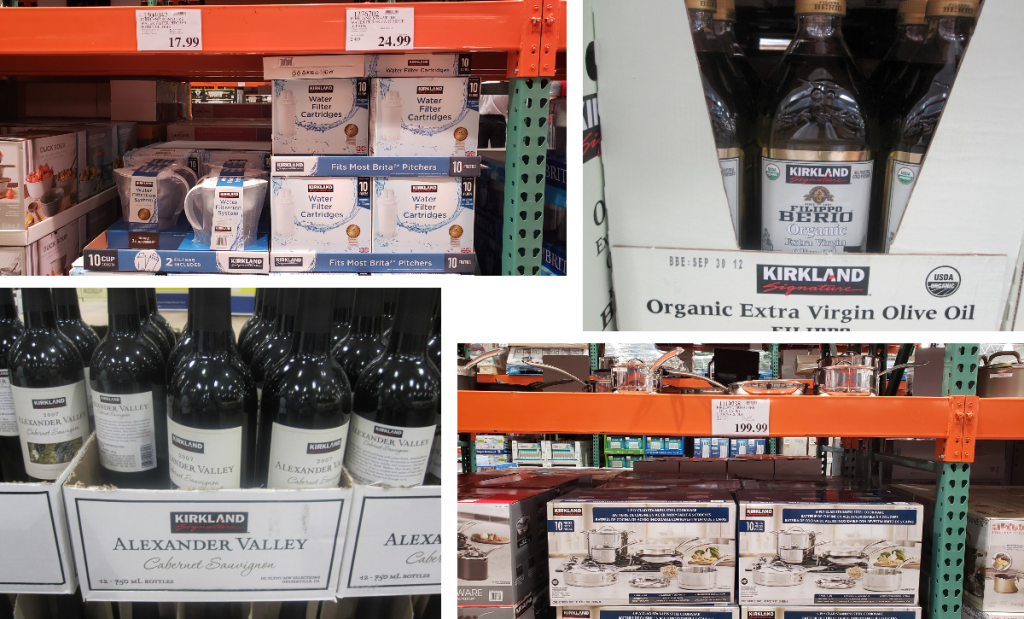
Photo Credit: McMillanDoolittle
Lululemon: Design-Driven Excellence and Direct-to-Consumer Power
Lululemon takes a radically different approach, focusing on innovation, performance, and premium brand equity. The company designs and engineers its products in-house with a relentless focus on quality, functionality, and customer insight. From its iconic Align™ leggings, praised for their buttery-soft fabric, to newer product categories like footwear and men’s apparel, Lululemon stays ahead by listening closely to its core audience and iterating on design.
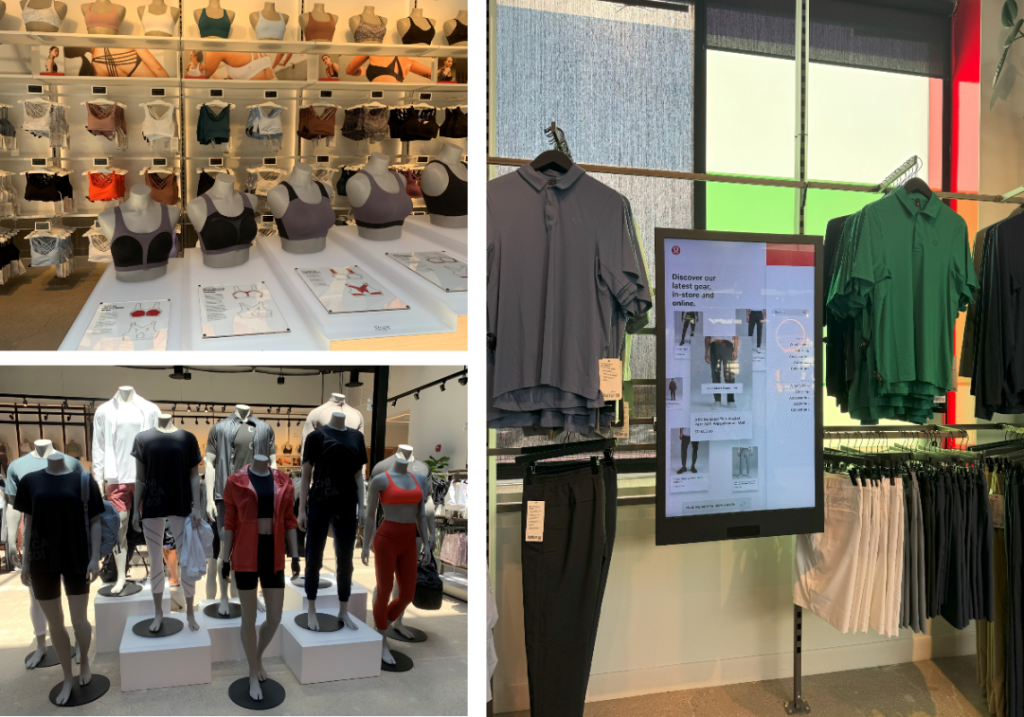
Photo Credit: McMillanDoolittle
With gross margins consistently above 55% and a highly profitable direct-to-consumer model (which accounted for 43% of revenue in 2024), Lululemon has cultivated a loyal customer base willing to pay for premium innovation. The brand’s growth into international markets and adjacent wellness segments further underscores its strategic agility.
A Legal Flashpoint—and a Testament to Customer-Centric Strategy
Recently, Lululemon sued Costco over alleged design infringement, arguing that a private-label item closely mimicked a popular Lululemon style. While the courts will determine the legal outcome, the dispute underscores a deeper truth: both brands are extremely effective at identifying consumer demand—and acting on it.
Whether through Costco’s value-driven curation or Lululemon’s product innovation and brand experience, both companies excel at delivering what their customers want in ways that reflect their distinct positions in the marketplace. One offers premium at a price; the other, premium at a profit. In either case, the result is the same: loyal customers and strong financial performance.
At McMillanDoolittle, we help retailers develop customer centric formats. Interested in exploring concepts that develop consumer relationships? Let’s talk.

No Comments